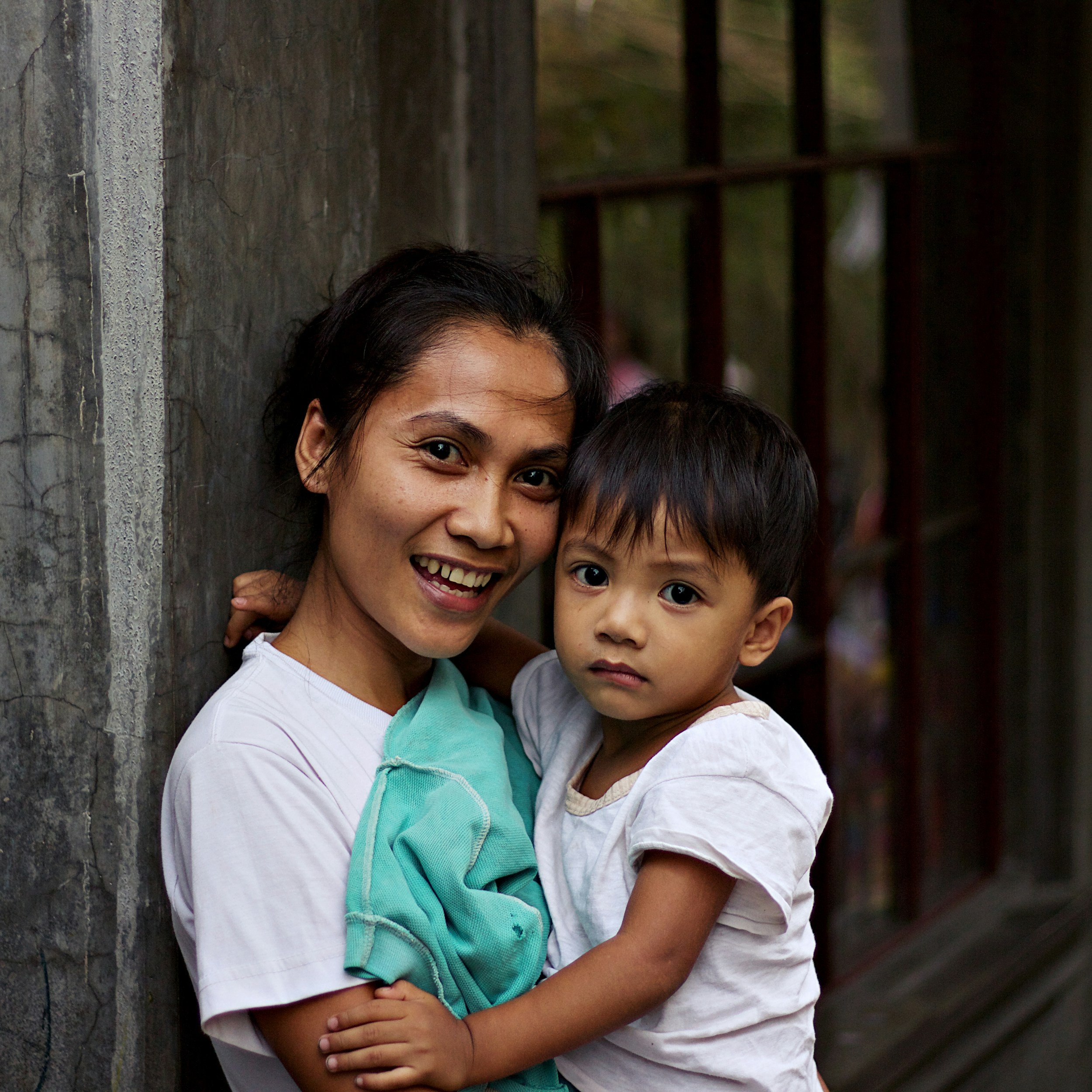
Kasambahays live where they work, but not always where they belong. This Human+ essay reveals the hidden emotional burdens of Filipino household workers — from loneliness to constant alertness — and why dignity must become the new standard of care.

Where household staffing meets human dignity.
Kasambahays live where they work, but not always where they belong. This Human+ essay reveals the hidden emotional burdens of Filipino household workers — from loneliness to constant alertness — and why dignity must become the new standard of care.
Household workers carry more emotional weight than most families realize. This Human+ feature uncovers the silent mental health crisis among yayas, maids, caregivers, and other home workers — and why it matters for every Filipino household.
Where do household workers actually sleep? From storage closets to improvised corners, Human+ examines the quiet truth behind sleeping spaces — and what they reveal about dignity and domestic work in Filipino homes.
Most companies hide bad reviews. MaidProvider.ph doesn’t — and for good reason. In this Human+ feature, we explain why transparency, not perfection, is what builds trust in the Philippine household care industry.
Imperfect reviews don’t weaken a business — they humanize it. In the real world, a mix of strong and weak feedback builds more trust than a flawless rating. Here’s why families should look for transparency, not perfection.
A simple, updated guide to the Kasambahay Law (Philippine Maid Law). Learn the real 2025 rules on salary, benefits, contracts, rights, live-in vs live-out, and employer obligations.
Domestic work is essential to Filipino households, yet rarely understood. Is being a kasambahay truly a choice, or a decision shaped by limited opportunities and economic pressure? This essay explores the realities behind a profession often taken for granted — and the quiet resilience of the women who sustain it.
Domestic workers hold the emotional and practical weight of Filipino households, yet their stories remain unseen. Human+ opens the conversation no one else will.
Yayas teach children far more than routines. From emotional regulation to trust, language, and values, this Human+ reflection explores the quiet lessons kids carry for life.
Household workers are the unseen architecture of Filipino middle-class life. From childcare to daily stability, they keep families functioning — yet remain invisible. This Human+ feature explores the people who hold the home together.
Hiring a yaya in 2025 costs far more than the legal minimum. Inflation, migration, and rising household expectations have pushed the real monthly cost of a reliable nanny in Metro Manila to ₱17,000–₱20,000. This guide from MaidProvider.ph’s Human+ team explains why the old ₱5,000–₱6,000 rates no longer retain workers — and what families must prepare for today.
Metro Manila is experiencing a real nanny shortage in 2025. More caregivers are shifting to predictable jobs or going abroad, while families now demand higher childcare standards. This NYT-style feature explores why the yaya workforce is shrinking, how expectations are changing, and what agencies like MaidProvider.ph are doing to support families and workers.